Player Prompt
The player defines the world, tone, story seed, or protagonist fantasy.

Press Kit
A prompt-to-play RPG narrative engine where players generate complete, structured campaigns with characters, quests, locations, art, combat encounters, skills, and consequences.
What It Is
Unscriptum is a game and a platform for creating RPG narrative adventures from a player prompt. Instead of improvising every moment through a chat window, the system generates the world in advance: story arcs, quests, locations, characters, battle situations, abilities, visual style, and the connective tissue that makes the campaign coherent.
The result is closer to a traditional RPG adventure than an open-ended AI toy. Players still explore, talk, fight, level up, make checks, and change the route ahead, but the campaign has structure, constraints, goals, and failure states designed before play begins.
Creation Flow
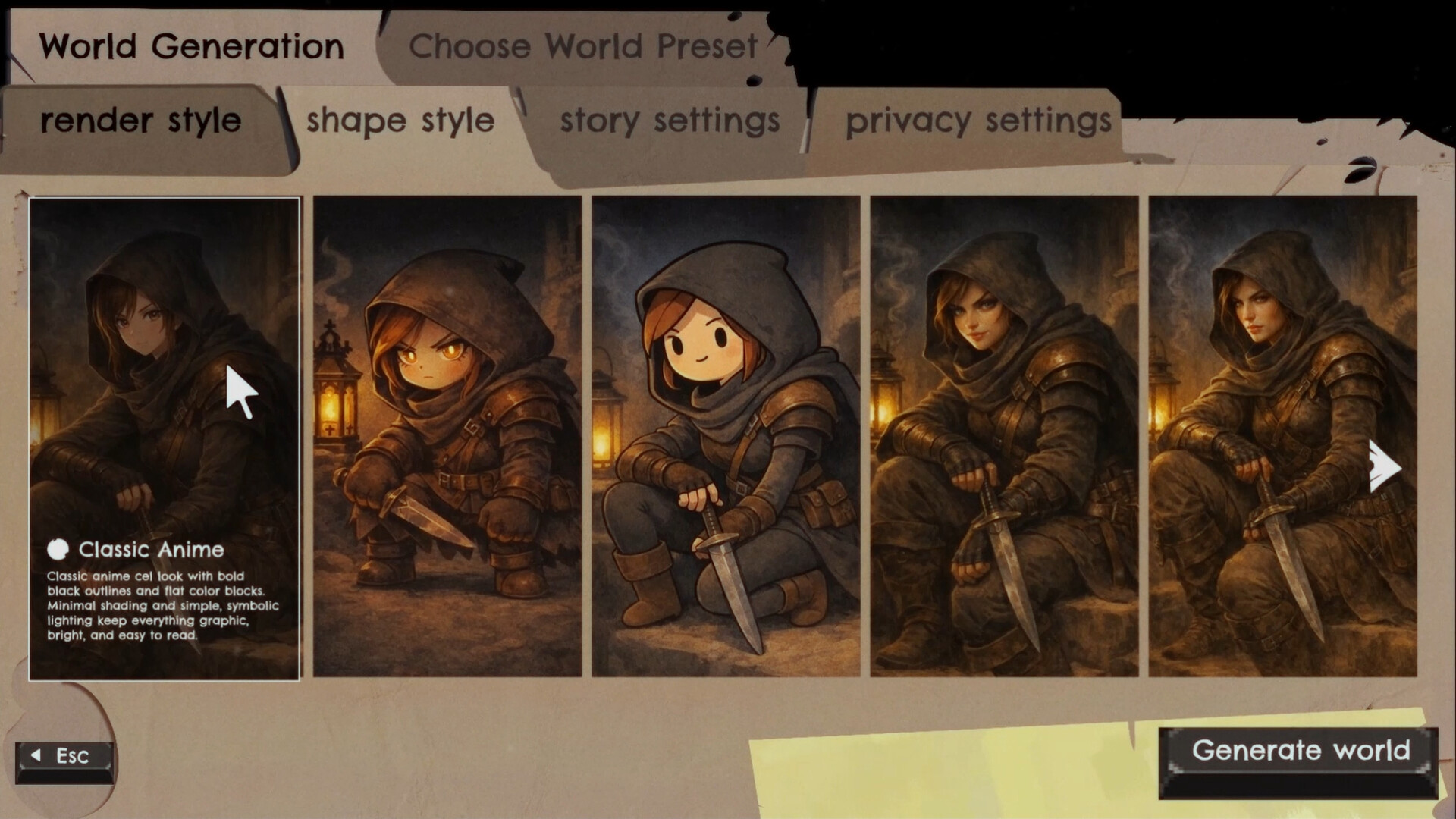
A generation can begin with a single prompt: a world premise, a plot seed, a character fantasy, or a strange genre mix. For players who want more control, Unscriptum is planned to offer an advanced setup mode with deeper generation settings.
Because every generated world is a large connected work, each creation has a cost. The team plans to reduce that cost as much as possible and offer several levels of scope and quality so more players can try making their own RPG story.
Generation System
Unscriptum narrows the problem on purpose. It generates RPG narrative games, not every possible genre. That lets the platform reuse proven UI, gameplay modules, rules, and world-building structures while still producing a different campaign for each prompt.
The player defines the world, tone, story seed, or protagonist fantasy.
Server-side graph logic breaks the world into connected narrative and gameplay data.
Characters, quests, skills, locations, art directions, enemies, and dialogue are generated in coordinated stages.
The system checks consistency, required references, playable routes, and soft-lock risks.
The campaign is assembled before the player enters it, with goals and consequences already in place.
Positioning
Many AI games let the model obey almost anything the player asks. That freedom can erase the game: rules soften, tension disappears, and progression becomes optional.
AI acts as the designer first. It builds a structured RPG narrative world, then the player explores it through gameplay systems, choices, checks, combat, quests, and consequences.
Large campaigns with linked characters, locations, quests, conflicts, twists, and endings.
Exploration, skill checks, battles, abilities, progression, and consequences give the campaign rules.
Generation stages share data through a controlled server system so later content respects earlier context.
Created worlds are planned to be editable through AI assistance and manual authoring tools.
Gameplay
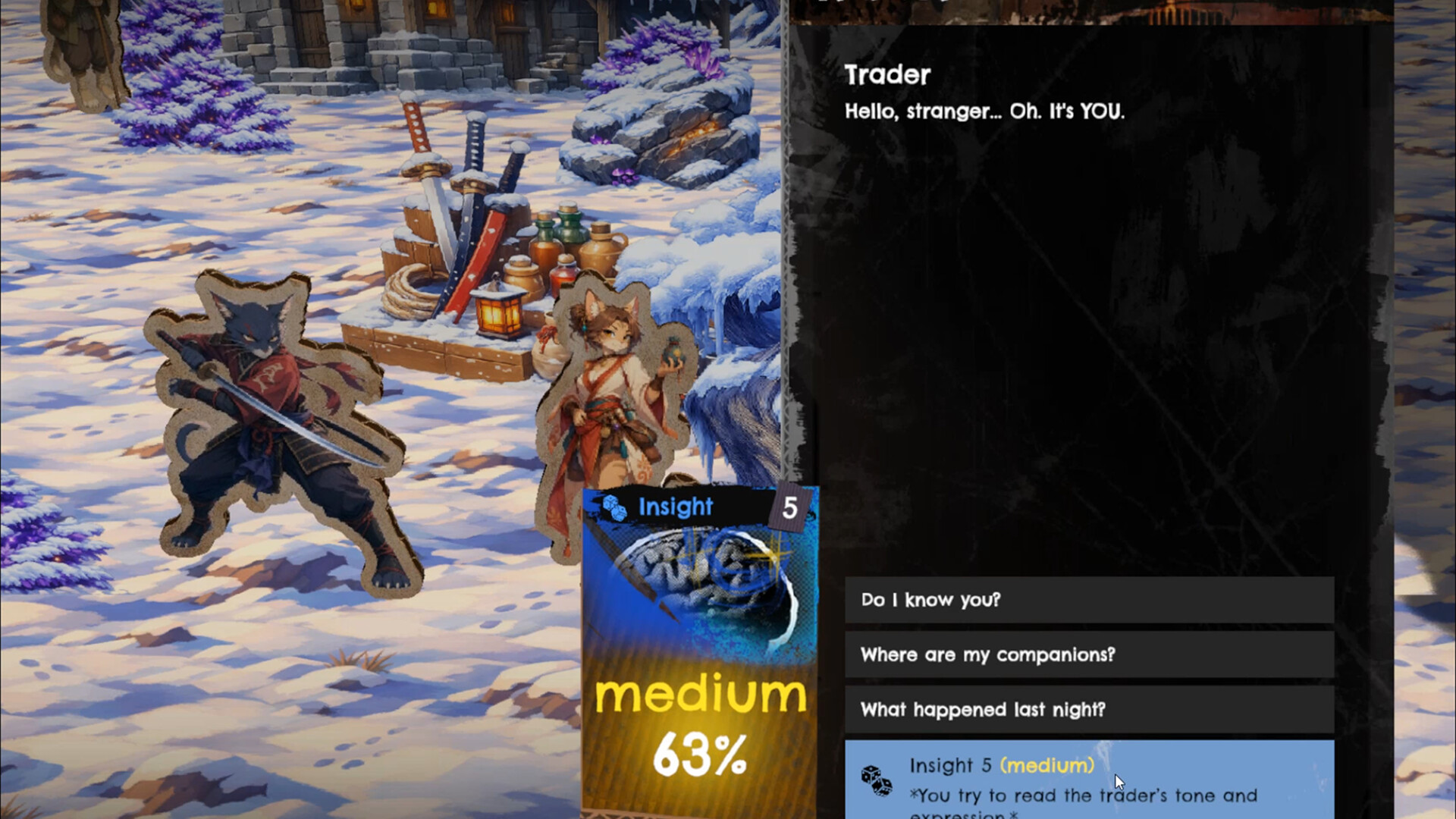
Players travel through generated locations, speak with citizens, follow quests, make meaningful choices, pass or fail skill checks, and fight enemies that stand in their way. Important decisions can change the path ahead, the people around the player, and the ending they reach.
The interaction is intentionally limited-dynamic: the world responds, but it does not dissolve into anything the player can type. That boundary keeps pressure, difficulty, and authored-feeling structure inside a generated adventure.
World Library
Generated games are planned to be publishable into a shared library. Every player will be able to play published worlds from other creators for free.
Published stories must follow community rules and avoid copyright violations. Moderation is part of the plan, because a shared creation platform needs clear boundaries as much as creative freedom.
Screenshots
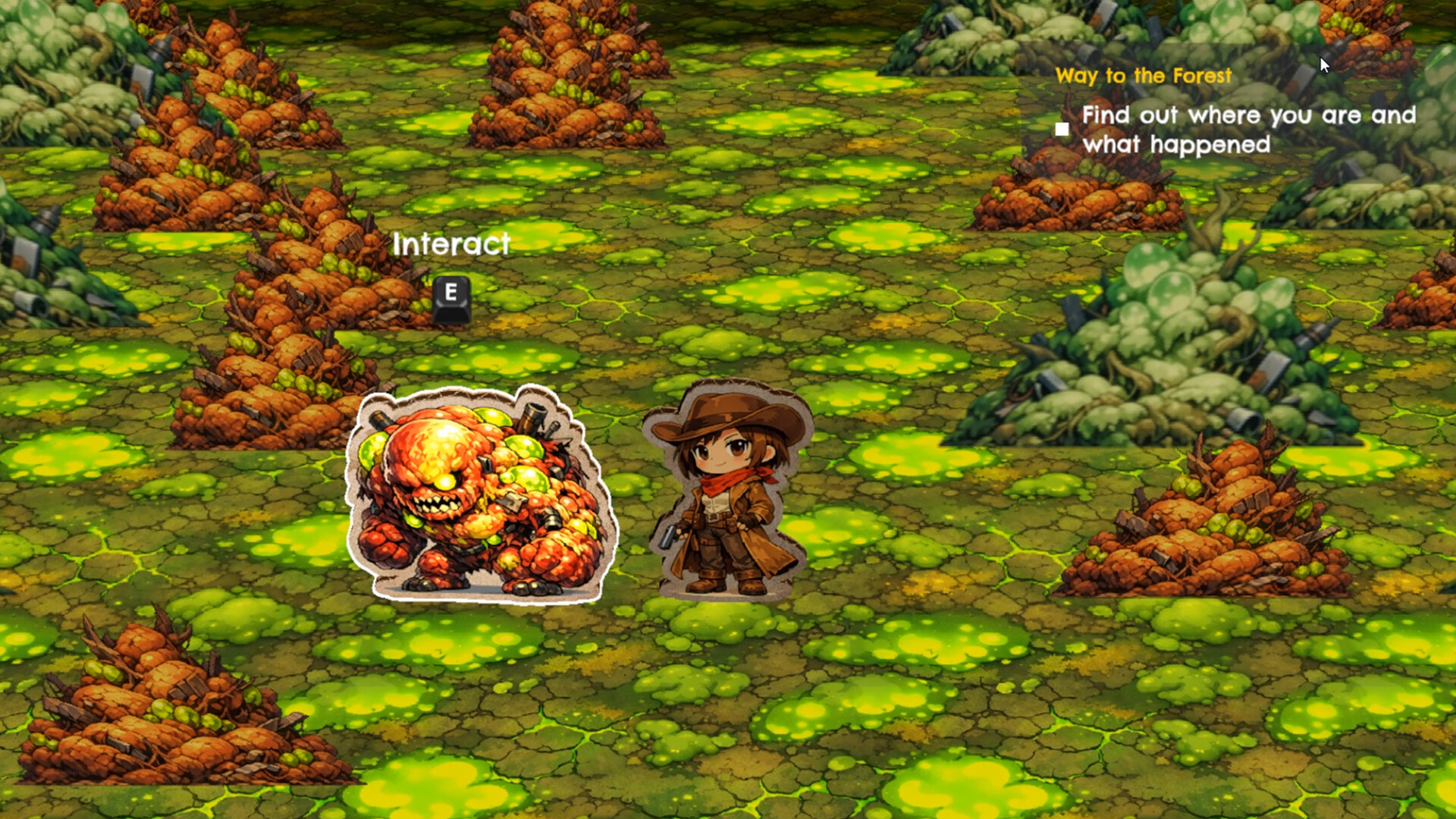
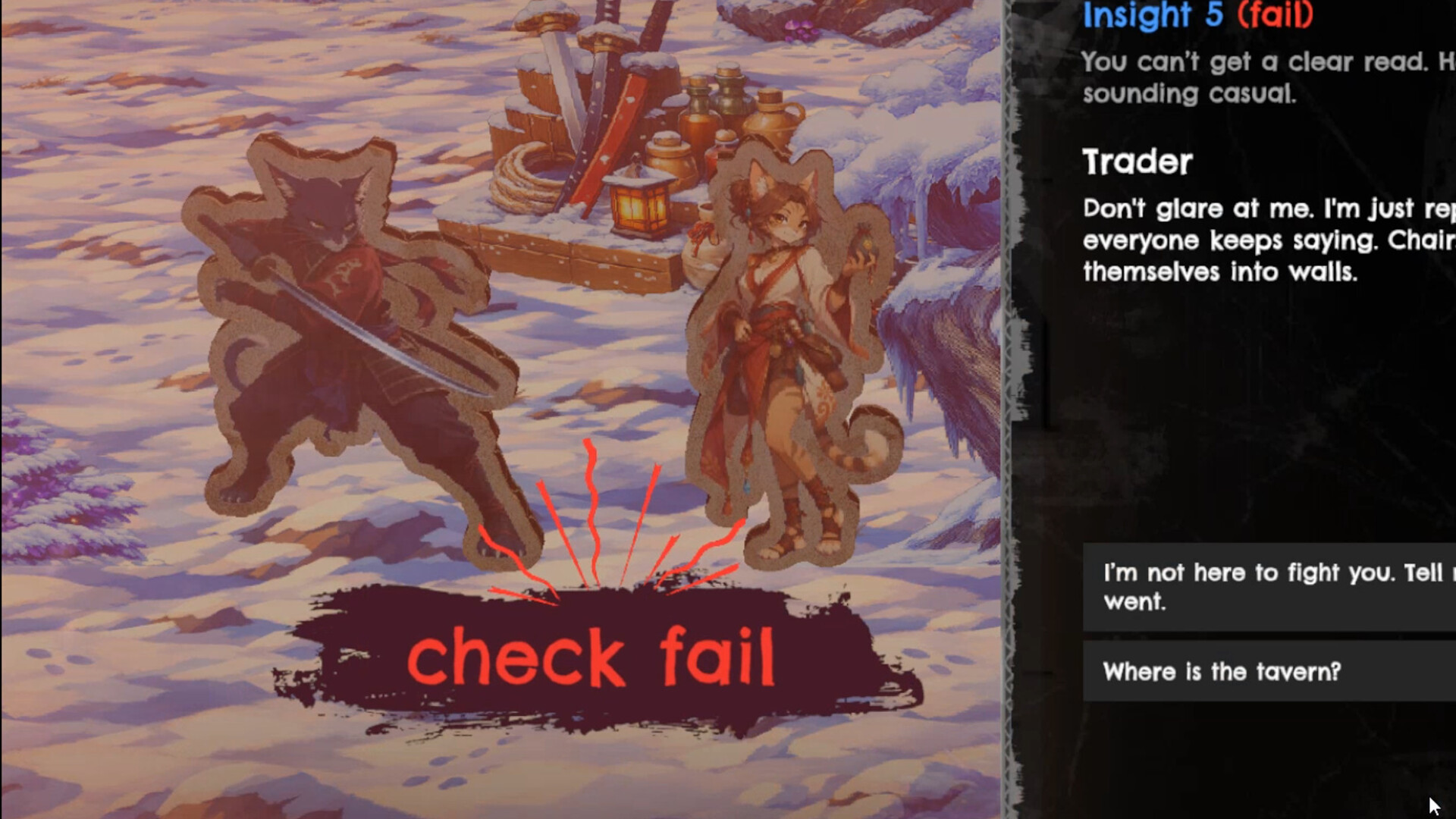
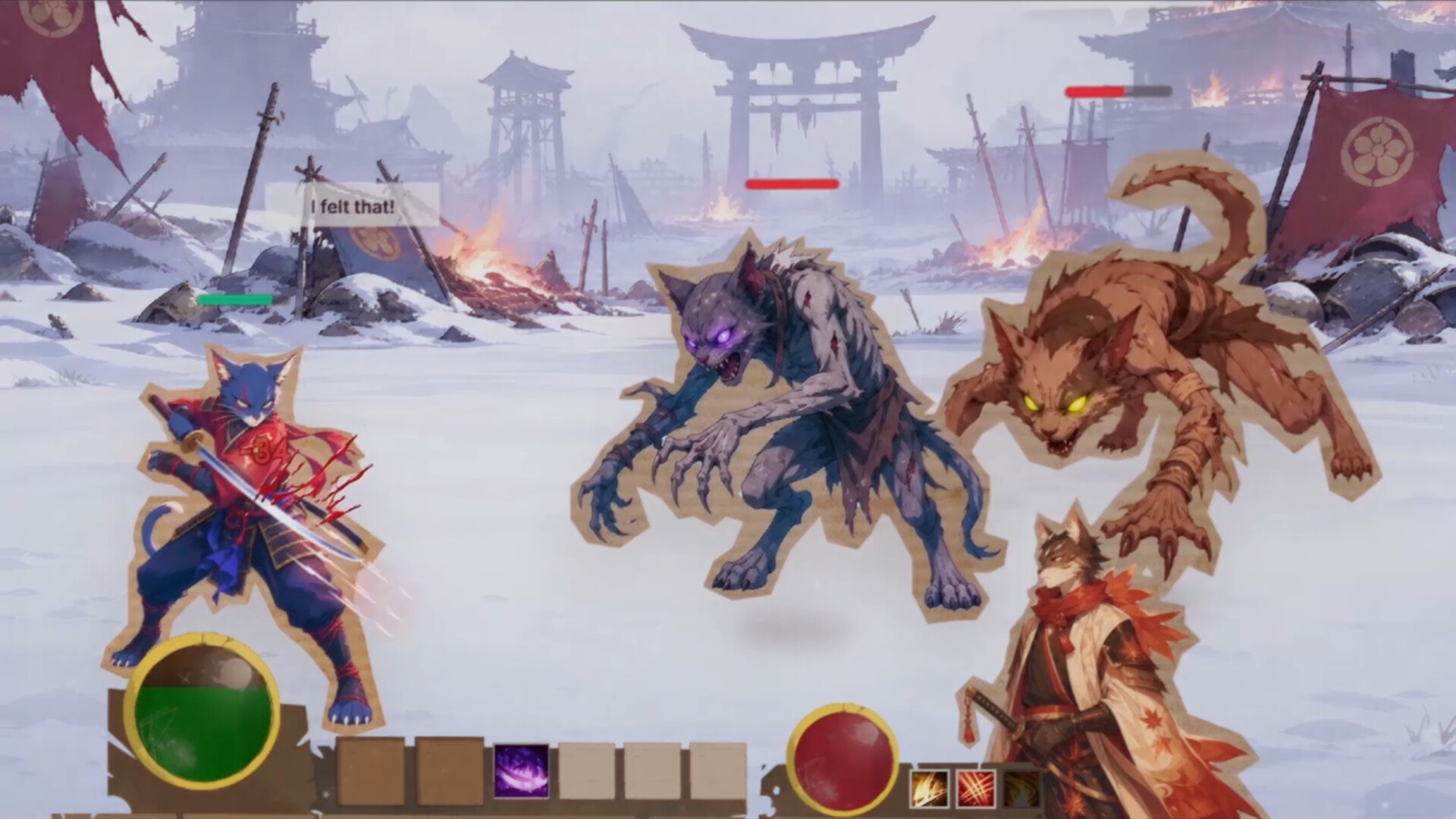
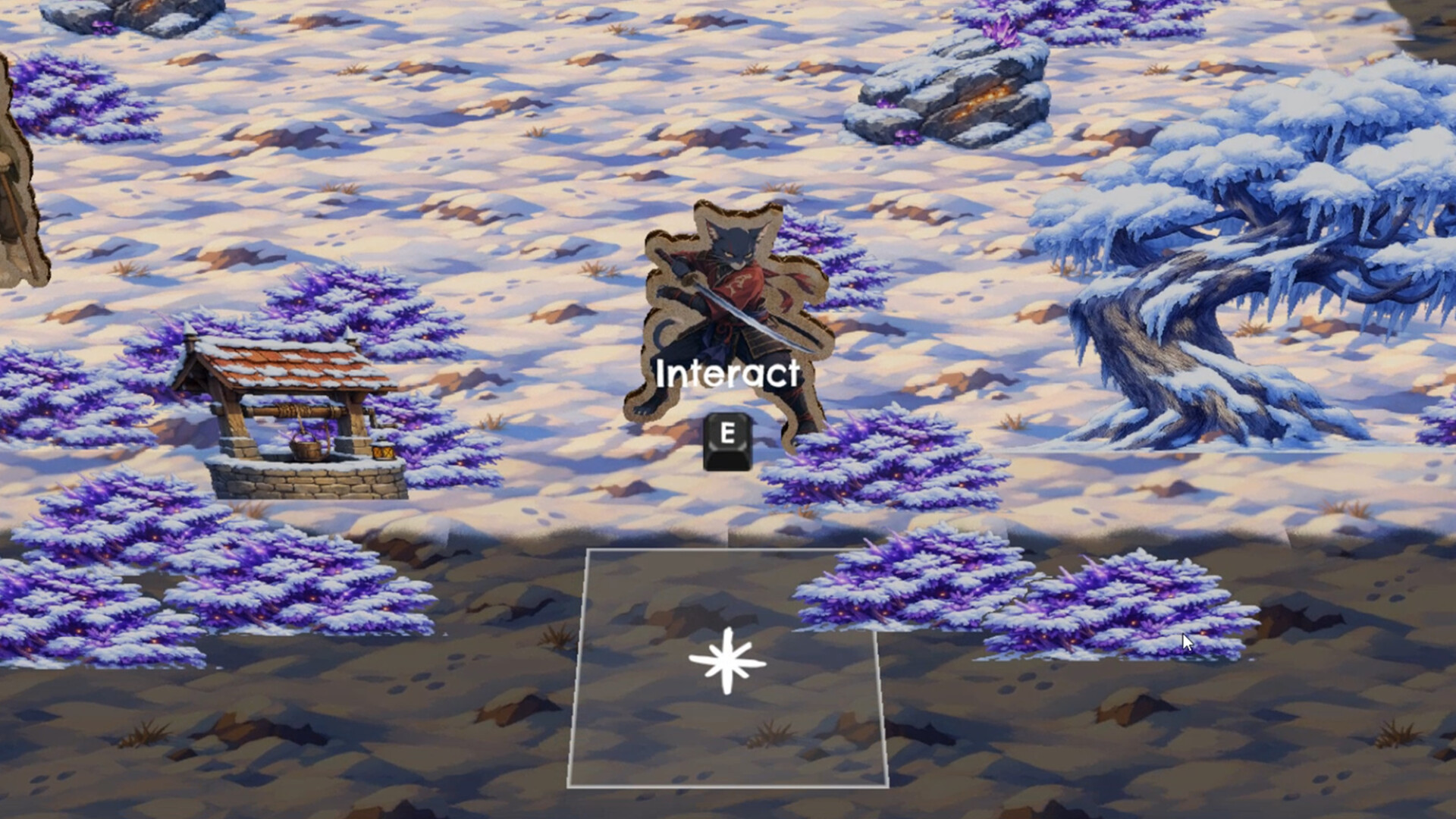
Media Kit
Unscriptum is a generative narrative adventure where a player brings an idea for a world and receives a structured RPG campaign inside it. Every run can include characters, locations, conflicts, choices, quests, combat encounters, abilities, and consequences assembled before play begins.
Community
Habenula Games is sharing development news, collecting feedback, and building the community around player-made RPG narratives.